
Slip and fall on ice: get help now
Hurt on ice the owner never cleared or salted? Ask for a free case review, and pay no fee unless you win.
All night, we review your ice fall free, and a slip and fall lawyer steps in today.
Change state
- Alabama
- Alaska
- Arizona
- Arkansas
- California
- Colorado
- Connecticut
- Delaware
- Florida
- Georgia
- Hawaii
- Idaho
- Illinois
- Indiana
- Iowa
- Kansas
- Kentucky
- Louisiana
- Maine
- Maryland
- Massachusetts
- Michigan
- Minnesota
- Mississippi
- Missouri
- Montana
- Nebraska
- Nevada
- New Hampshire
- New Jersey
- New Mexico
- New York
- North Carolina
- North Dakota
- Ohio
- Oklahoma
- Oregon
- Pennsylvania
- Rhode Island
- South Carolina
- South Dakota
- Tennessee
- Texas
- Utah
- Vermont
- Virginia
- Washington
- West Virginia
- Wisconsin
- Wyoming
When the owner had time to act
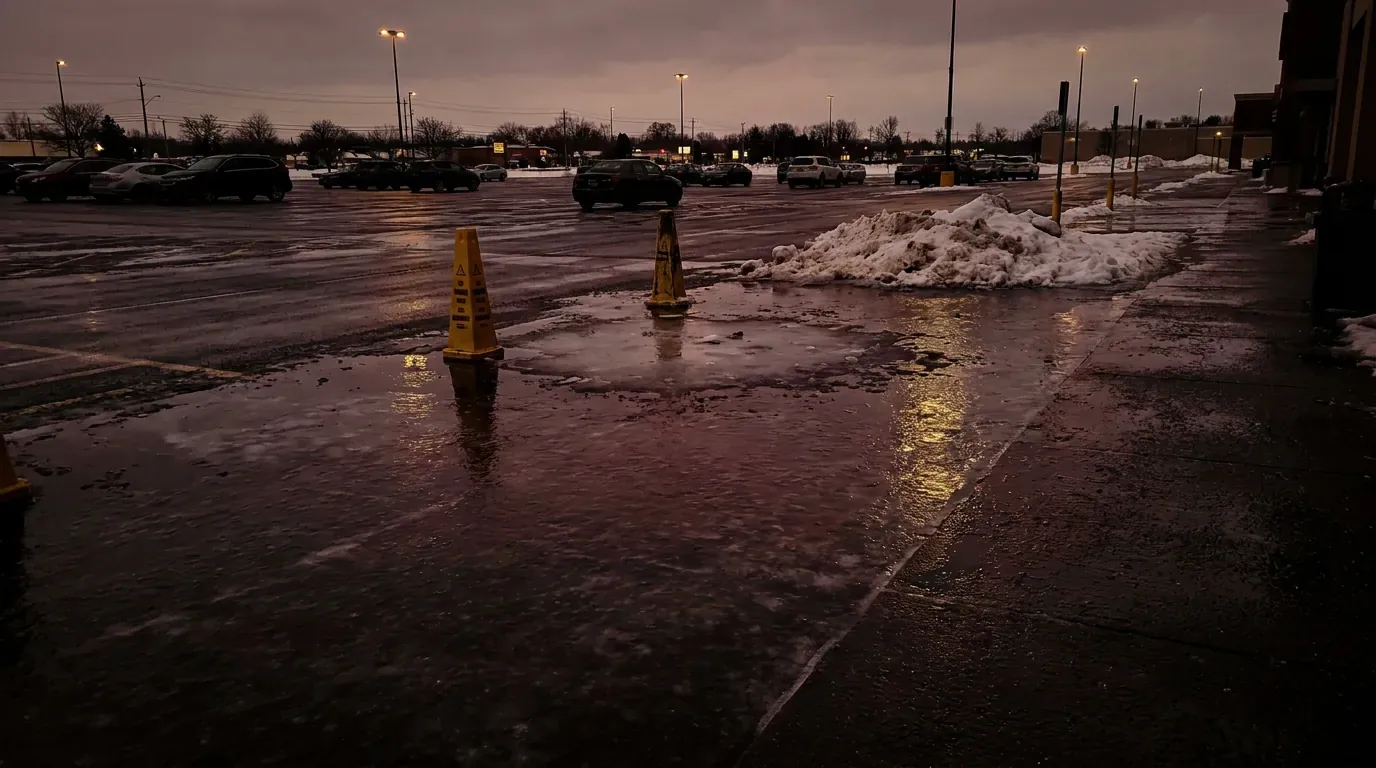
You fell on ice outside a store, an apartment or an office. A slip and fall on ice is a case when the owner had time to act and did not. It is also a case when the owner made the ice worse.
A fall in the middle of a storm, before anyone could act, is much harder. In Colorado, the jury instructions on premises liability spell out what owners owe visitors.
Who has to clear the ice
Owners and businesses in most states must clear ice within a reasonable time after a storm ends. Many cities also make owners clear the sidewalk in front of their property. In New York City, the owner next to the sidewalk is responsible for its upkeep.
Landlords answer for shared walkways, steps and parking lots, the same as in other apartment falls. A lease can give the tenant some duties for their own entrance.
Ice the owner created
Some states treat natural ice differently from ice the owner made. A dripping gutter or a plow pile that melts and refreezes is a hazard the owner made. The rule changes by state, so learn your state's slip and fall laws.
Take Karen, 69, who fell in a Philadelphia parking lot two days after the snow stopped. The lot was plowed into a pile that melted and refroze across the walkway every night. That is ice the owner made.
What to do after a slip and fall on ice
First, call us for a free case review. Then photograph the ice before it melts or gets salted, with the time on your phone. Capture any gutter, downspout or snow pile nearby.
Write down when the snow stopped and whether it got above freezing during the day. Weather records, snow removal contracts and past complaints prove the owner had time. A lawyer can get all three.
The deadline to act
Ice falls follow the same deadline as any fall: two or three years in most states. A fall on a city sidewalk or public lot can need written notice within months. Find the deadline for your state before time runs out.
Questions people ask after a fall
Can you sue if you slip on ice?
Yes, if the owner had a fair chance to clear it and did not. You can also sue if the owner caused the ice. A fall in the middle of a storm is much harder.
Who is responsible for ice on a sidewalk?
It depends on the city. Many make the owner next to the sidewalk clear it. Others keep that duty with the city.
Is a landlord responsible for ice?
Yes, for common areas such as walkways, steps and parking lots. A lease can give the tenant some duties for their own entrance.
Is a snow removal company liable?
It can be, if it was hired to clear the area and did the job badly or late. The owner can still share the blame.
State rules reviewed Sep 17, 2026
Your state
What to do now
You fell on ice the owner left in place or made worse. Unsalted walks, refreezing plow piles and leaking gutters can make the owner responsible. Call now and tell us where the ice was and how you fell.
The review is free. A slip and fall lawyer in your state takes the case on contingency: no fee unless you win.