
Hurt in a slip and fall at work
Fell at work and worried workers comp will not cover it all? Take a free case review with no fee unless you win.
Workers comp pays first
You were hurt in a slip and fall at work, and the bills have already started. Workers comp pays first. It covers your medical bills and part of your lost wages.
In most states you cannot sue your own employer for a work fall. Workers comp takes the place of that lawsuit.
How a settlement range is built
Your bills and lost pay, plus a pain allowance that grows with the injury:
These are the calculator's stated assumptions, not an insurer rule. Your share of the blame comes off the total.
Fault does not stop benefits
Workers comp pays no matter who was at fault, even if it was you. Falls caused by being drunk or high are the exception.
OSHA lists falls on the same level among the leading causes of serious work injuries. You are far from alone in this.
When another company is to blame
Sometimes a company other than your employer caused the fall. Then you have a second path, a claim against that company. That claim sits outside workers comp.
Think of a cleaning contractor who left a wet floor, or a property owner where you made a delivery. A maker of faulty equipment counts too. A premises liability lawyer builds that claim with proof of the hazard.

What to do this week after a slip and fall at work
First, call us for a free case review. Then report the fall in writing the same day. Each state sets its own reporting deadline, often within days or weeks.
Get treated and keep copies of every record and your workers comp claim number. If you fell on another company's property, photograph the spot and write down witness names. Our checklist after a fall walks you through the rest.
Six steps, in order
- Call for a free case reviewA lawyer tells you what to keep and what not to sign.
- Get an incident report writtenKeep a copy or a photo of it before you leave.
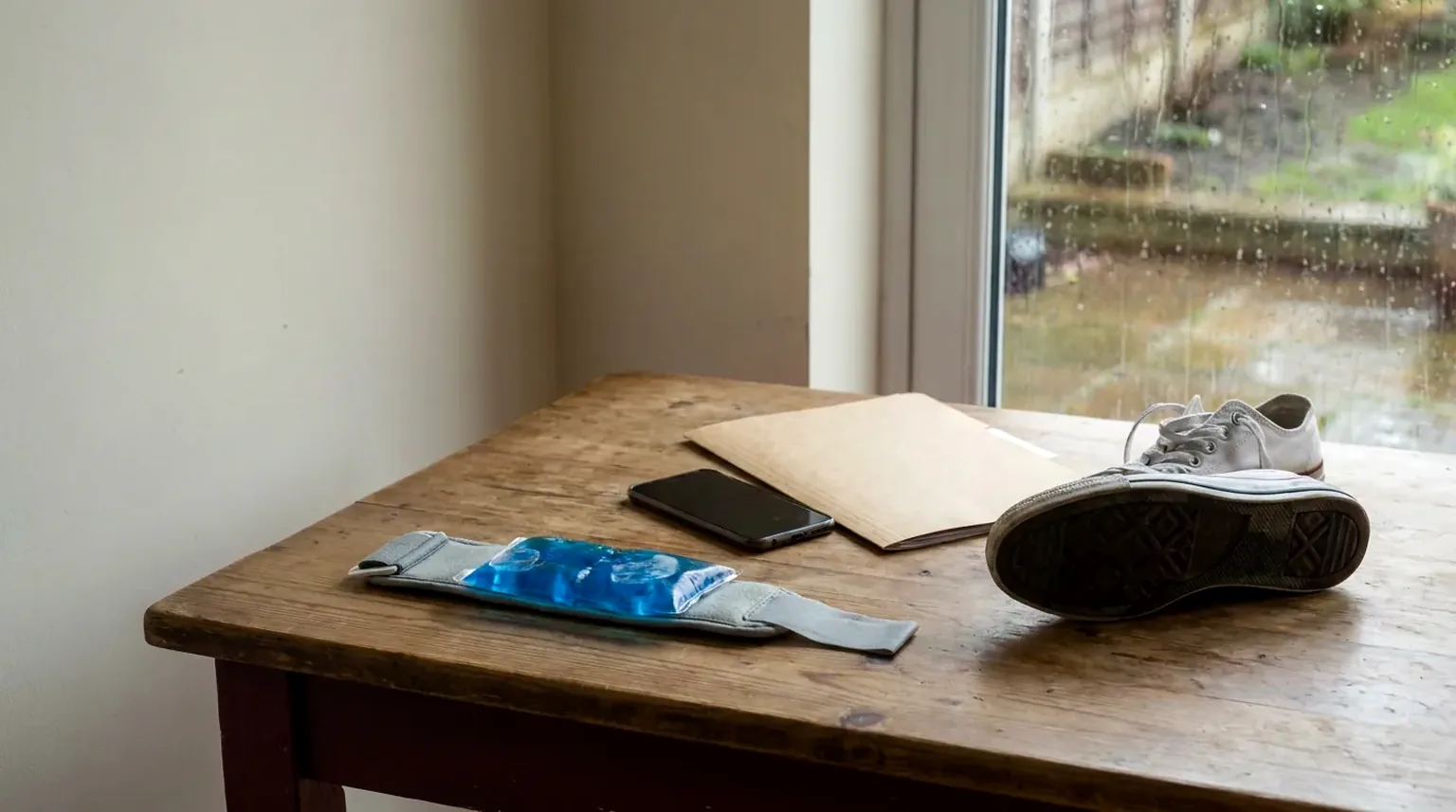
- Photograph the spotClose and wide shots, your shoes and your injury.
- See a doctor the same daySay you fell and where. Head injuries can show up hours later.
- Take witness namesAnyone who saw the fall or the hazard first.
- Keep every bill and pay stubOne folder, and no recorded statement to their insurer.
How Kevin's fall plays out
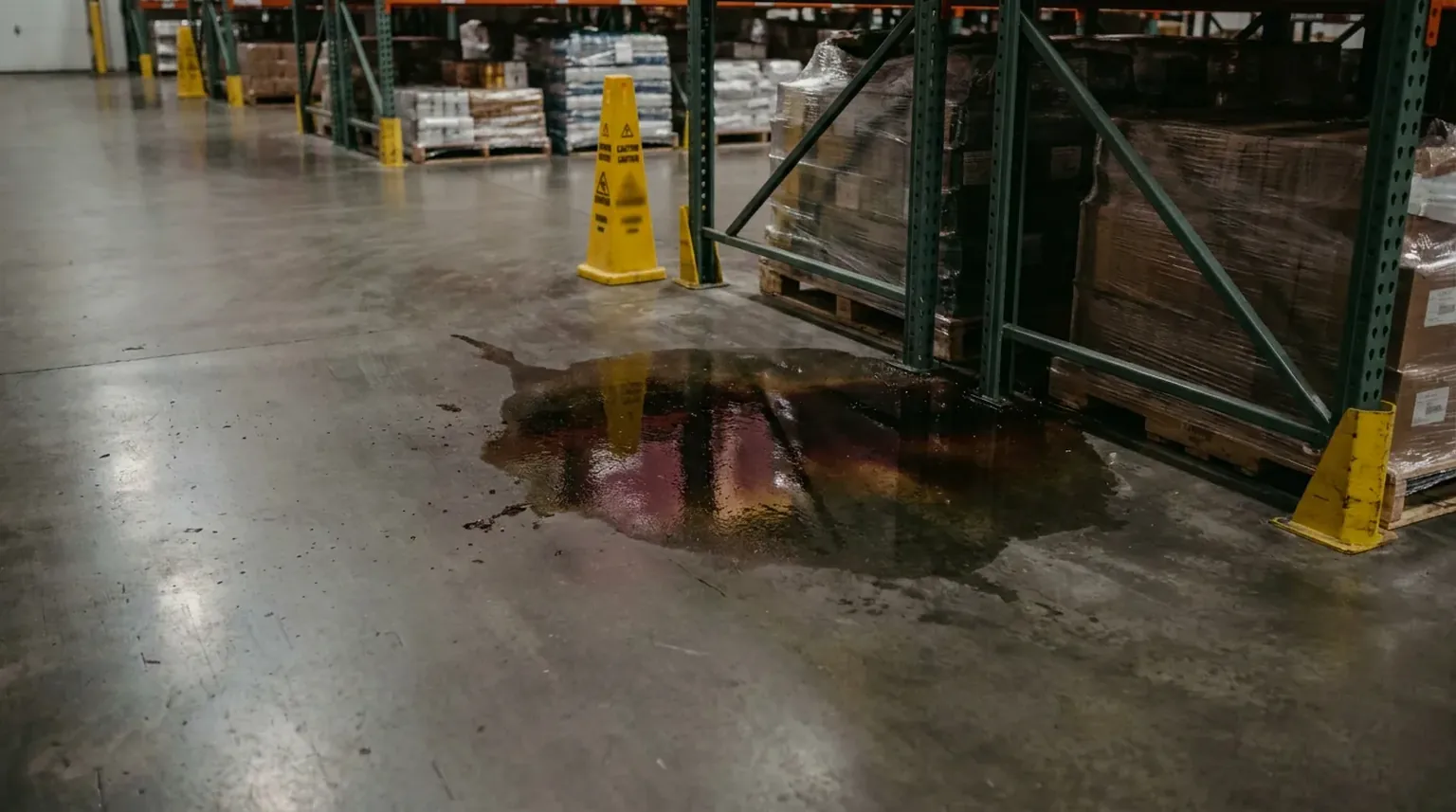
Kevin slipped on an oily floor at a warehouse in Ohio. His medical bills and lost wages go through his employer's workers comp insurer. An oily floor is the kind of walking surface hazard OSHA addresses.
If a cleaning contractor had left that oil, Kevin would also have a claim against the contractor. A slip and fall lawyer in Ohio works on contingency. Kevin pays no fee unless he wins. National fall figures are on the slip and fall statistics page.
Questions people ask after a fall
Can I sue my employer for a slip and fall at work?
In most states, no. Workers comp replaces a lawsuit against your own employer. You can often sue another company that caused the fall.
Does workers comp pay if the fall was my fault?
In most cases, yes. Workers comp is a no-fault system. Falls caused by being drunk or high are the exception.
How soon do I have to report a fall at work?
Each state sets its own deadline, often within days or weeks. Report it in writing the same day to be safe.
What if I slipped at a customer's business while working?
Workers comp still covers you. You also have a claim against the customer's business if it caused the hazard.
Begin here
You were hurt at work, and workers comp comes first. Another company that caused your fall can also owe you, beyond workers comp. Call now so a lawyer can find every party responsible.
The review costs nothing. A slip and fall lawyer in your state works on contingency, which means no fee unless you win.